

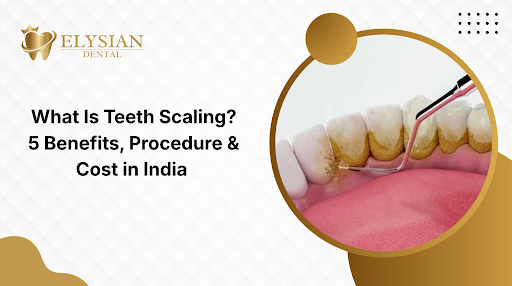
The process of teeth Scaling is a type of professional teeth cleaning. It involves removing plaque, calculus (tartar) and bacteria from your teeth and the gum line to ensure good gum health. Brushing at home can’t remove hardened tartar. A dentist can.
Yellow or brown deposits on your teeth? Gums that bleed? Bad breath that just won’t go away? Your dentist may suggest scaling once they’ve checked your mouth.
What Is Teeth Scaling and What Purpose Does It Serve?
Teeth Scaling is one of the preventative treatments. It removes the accumulated deposits of plaque and tartar.
Plaque is the accumulation of bacteria that is produced by your mouth each day. If you remove it, everything will be okay; otherwise, plaque turns into tartar.
Cleaning the plaque is done by brushing and flossing.
Brushing and flossing deal with the plaque. Tartar is a different story. Once it has hardened, only professional cleaning gets it off.
Your dentist may recommend scaling if you have:
- Yellow or brown deposits near the gumline
- Bleeding gums while brushing
- Bad breath that doesn’t go away
- Swollen or irritated gums
- Visible tartar between your teeth
Get these deposits cleared and your teeth stay cleaner, with healthier gums too.
5 Benefits of Teeth Scaling
Scaling does more than polish up the surface. Here’s what you get.
1. Removes Plaque and Tartar
This is the big one. Scaling clears hardened tartar from spots your toothbrush can’t reach. Fewer bacteria stay behind in your mouth.
2. Helps Prevent Gum Disease
Plaque and tartar along the gumline irritate your gums and cause inflammation. A professional cleaning takes them away. That lowers the risk of gingivitis, the early stage of gum disease.
3. Reduces Bad Breath
Bacteria trapped in plaque and tartar cause bad breath. Remove them and your mouth feels fresher, especially when poor oral hygiene is the cause.
4. Helps Maintain Healthy Gums
Tartar can leave gums swollen, red and quick to bleed. Regular check-ups and cleaning keep them healthier. They also let your dentist catch problems early.
5. Removes Surface Deposits and Stains
Scaling can lift some outside stains from tea, coffee and other foods, so your teeth look cleaner afterwards. But it isn’t teeth whitening. Your natural tooth colour stays the same.
How Is Teeth Scaling Done?
A dentist or trained dental professional does the scaling with specialised instruments. How long it takes and what’s involved depends on how much tartar you have and how your gums look.
Here’s the usual process.
Step 1: Dental Examination
The dentist checks your teeth and gums for plaque, tartar, bleeding and signs of gum disease.
Step 2: Removal of Tartar
An ultrasonic scaler or manual instruments take off the hardened deposits from your teeth and along the gumline.
Step 3: Cleaning Between Teeth
Next, the dentist cleans between your teeth. Plaque and tartar often collect there.
Step 4: Polishing
If needed, your teeth are polished. This removes some surface stains and smooths the tooth surface.
Step 5: Aftercare Guidance
Your dentist shows you how to keep your teeth clean at home. They’ll also tell you if you need another cleaning visit.
Does Teeth Scaling Hurt?
For most people, no. It’s comfortable. It is possible that you may feel some pressure and vibrations.
If your gums are swollen, there is a lot of tartar or the teeth are sensitive, then this procedure becomes slightly more painful.
Afterward, there may be some sensitivity to heat and cold foods for some time. This will get better with time. If not, then contact your dentist.
Does Teeth Scaling Damage Teeth?
No. Done correctly by a dental professional, scaling doesn’t damage healthy tooth enamel.
Some people notice small gaps between their teeth after scaling. Others feel their teeth are slightly loose. The reason is simple. Tartar was filling those spaces, or holding up areas already affected by gum disease. Scaling takes the deposits away. It doesn’t cause the gum or bone damage underneath.
Your dentist can explain any changes based on your gum condition.
Teeth Scaling and Polishing: What Is the Difference?
They’re related, but they do different jobs.
| Teeth Scaling | Teeth Polishing |
| Removes plaque and tartar | Removes some surface stains |
| Cleans deposits around teeth and gums | Helps smooth the tooth surfaces |
| Uses ultrasonic or manual instruments | Uses a polishing tool and suitable paste |
| Supports gum health | Helps clean teeth look better |
Your dentist may suggest both in one cleaning appointment, depending on your teeth.
What Is the Cost of Teeth Scaling in India?
The cost depends on three things: how much tartar you have, the condition of your gums and the type of cleaning you need. Here’s an estimated price range.
| Type of Teeth Scaling | Estimated Cost in India |
| Basic TeethScaling | ₹500 – ₹1,500 |
| Scaling and Polishing | ₹1,000 – ₹3,000 |
| Deep Teeth Cleaning | ₹3,500 – ₹7,000 |
These costs are approximate. Depending on the clinic, city and required treatment, they may be either lower or higher. It will require more money if deep teeth cleaning is necessary because of complicated gum disease.
Teeth Scaling – How Often?
It all depends on your oral health and how fast you develop tartar.
The majority of patients can keep to the schedule recommended by their dentist. Problems with gums, plenty of tartar and increased risk of periodontitis mean that you have to visit your dental surgeon more often.
Some simple methods you can adopt between dental appointments include:
- Tooth brushing at least twice a day using fluoride toothpaste.
- Cleaning between teeth using floss daily.
- Reducing consumption of sweet foods.
- Giving up smoking and other tobacco products.
- Attending dental appointments on a regular basis.
By doing all these, you ensure that the plaque build-up is under control and the teeth and gums are healthy before the next dental appointment.
When Should You See a Dentist?
In case you realize that there is plaque build-up or any other problem with your teeth, see a dentist without delay. Early examination helps to detect the reason and determine the necessity of teethscaling.
Book a visit if you have:
- Yellow or brown tartar on your teeth
- Bleeding gums while brushing or flossing
- Swollen, red or tender gums
- Bad breath that won’t go away
- Pain or discomfort while chewing
- Receding gums or increased tooth sensitivity
Don’t ignore gum bleeding or swelling that keeps coming back. It can be a sign of gum disease, and that needs professional attention.
For preventive care and professional cleaning, visit Elysian Dental in Kondapur. The clinic offers dental check-ups and professional cleaning to support better oral health.
Worried about tartar buildup or bleeding gums? 📞 Contact Elysian Dental at +91 93817 58514 to book an appointment.
Follow Elysian Dental onFacebook andInstagram for dental care tips, treatment updates, and healthy smile inspiration.
AtElysian Dental, we provide complete dental care in Kondapur for children, teens, and adults. Our services includeDental Implants,Smile Designing,Root Canal Treatment,Invisible Aligners,Teeth Whitening, andTooth-Colored Fillings to help you maintain healthy and confident smiles. We also offerPediatric Dentistry,Preventive Dentistry,Laser Flap Surgeries, andZirconia & Laser-Sintered Crowns and Bridges. For children’s dental needs, you can learn more about ourChild First Dental Visit, while ourDental Emergency Care provides support when urgent treatment is needed. You can also check our guide toZirconia Crown Cost in Kondapur before planning your treatment. Visit Elysian Dental in Kondapur and book your dental consultation today.
FAQ on Teeth Scaling
1. What is teeth scaling meant for?
This is meant for removing plaque, calcification and any other deposit on your teeth. This makes sure that you do not get infections in your mouth.
2. Is teethscaling good for your teeth?
Yes. Professional scaling removes tartar that brushing can’t. It also helps lower the risk of gum inflammation caused by plaque buildup.
3. How long does teethscaling take?
It depends on how much tartar you have, the condition of your gums and whether you need extra cleaning. Your dentist can give you an estimate after examining your teeth.
4. Can I eat after teethscaling?
In most routine cases, yes. If your teeth feel sensitive, stick to soft foods. Avoid very hot, cold or acidic items until the sensitivity eases.
5. Does teethscaling make teeth white?
No, scaling removes tartar and some outside stains, so your teeth look cleaner. 📞 Contact Elysian Dental in Kondapur at +91 93817 58514 to book an appointment.