

What Causes the Need to Reduce Gap Between Teeth?
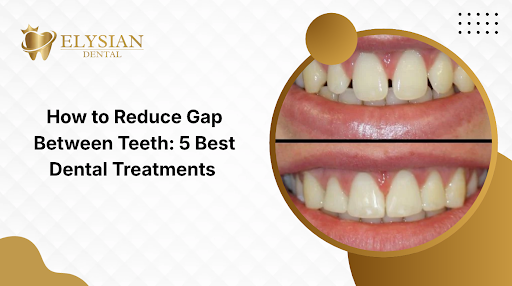
A gap between two teeth is called a diastema. A lot of people want to reduce gaps between teeth because they don’t like how it looks in a smile. You’ll most often see it between the upper front teeth, though it can show up anywhere in the mouth.
So why does it happen? Here are the usual reasons:
- Small Teeth: If teeth are smaller than the size of the jaws, there will be additional space, which will result in spacing of the teeth.
- Missing Teeth: Missing one tooth causes the teeth adjacent to the missing tooth to shift toward the gap.
- Extra Gum Tissue: There is a large amount of tissue present between the two upper teeth, causing the gap between them.
- Thumb Sucking: Prolonged thumb sucking during childhood will affect the formation of teeth.
- Tongue Thrusting: A tongue that continuously presses against the front teeth will slowly widen the gap.
- Gum Disease: Gum disease will cause loosening and shifting of the teeth due to weakened gums and jawbone.
The cause of the problem must be identified before trying to reduce it. The correct method of reducing it depends upon its cause.
5 Best Dental Treatments to Reduce Gap Between Teeth
Dentists use five main treatments to reduce gap between teeth. Let’s go through them one by one.
1. Braces Treatment
Braces are the most familiar way to close gaps. They apply light, steady pressure and move your teeth bit by bit into the right place.
You may be a good fit for braces if you have:
- Large gaps between your teeth.
- Spaces in several places in your mouth.
- Crooked or crowded teeth.
- A bite that doesn’t line up well.
How long you’ll need them depends on how much your teeth have to move. For some people it’s a few months. For tougher cases, it can stretch to a few years.
Yes, you’ll have to visit the dentist often for adjustments. But braces sort out the gaps and the alignment together, and that’s a big plus.
2. Clear Aligners
Not keen on metal braces? Clear aligners could be your answer.
These are clear trays that you can take out, and each set is made to fit your teeth. Every so often you move on to a fresh tray, and your teeth shift a tiny bit each time.
Here’s what people like about them:
- You can barely see them.
- You can take them out when you eat.
- Brushing and flossing stay simple.
- Most people find them comfortable.
Aligners suit mild to moderate gaps. One catch: you must wear them for the number of hours your dentist says each day. Skip that, and the results won’t show up as planned.
Your dentist or orthodontist can tell you whether aligners are right for your teeth.
3. composite bonding
Bonding is a quick, simple fix for small gaps.
The dentist addstooth-coloured resin to the sides of your teeth and shapes it so the gap looks smaller. A special light then sets it hard.
Bonding can work for:
- Small gaps between the front teeth.
- Minor changes to the shape of a tooth.
- Teeth that look a little uneven.
What’s nice is that it’s often finished in a single visit.
There’s a downside, though. The resin can stain, chip or wear down with time. Depending on your habits and how you look after your teeth, it might need a touch-up or a replacement down the line.
4. Dental Veneers
Veneers are thin covers that go on the front of your teeth to improve their look.
They can close some gaps by making teeth look a bit wider and changing their shape. They also cover up stains and uneven teeth.
Your dentist might suggest veneers if:
- You have small spaces between your front teeth.
- Your teeth differ in shape or size.
- You have stains that whitening can’t remove.
- You want your whole smile to look better.
If they’re planned and fitted well, veneers look very natural.
Still, they aren’t right for every gap. Before going ahead, your dentist will look at your enamel, your bite and the health of your teeth.
5. Dental Implants for Gaps Caused by Missing Teeth
When a missing tooth is why you have a gap, a dental implant may be the best choice.
An implant is a small post that goes into your jawbone and holds a new tooth. After it heals and fuses with the bone, a crown is fixed on top. This gives you back the look and use of the tooth you lost.
Dental implants can help you:
- Replace a missing tooth.
- Fill the empty space in your teeth.
- Chew properly again.
- Keep the nearby teeth from drifting into the gap.
An implant isn’t for everyone. Your dentist will check your gums, your jawbone and your general dental health before recommending it.
How to Close Teeth Gaps Without Braces?
Plenty of people want to reduce gaps between their teeth without wearing metal braces. You do have other choices. What works best depends on how big the gap is and what caused it.
Here is a quick comparison:
| Treatment | Best Suited For |
| Clear Aligners | Mild to moderate alignment gaps |
| composite bonding | Small gaps between teeth |
| Dental Veneers | Cosmetic gaps and uneven tooth shapes |
| Dental Implants | Gaps caused by missing teeth |
Bonding and veneers change how the gap looks, but they don’t move your teeth. Clear aligners do the opposite. They slowly guide your teeth into new spots.
Whatever you pick, speak to a dentist first.
How Long Does It Take to Close a Gap Between Teeth?
Here’s a rough idea of how long each treatment takes:
| Treatment | Approximate Treatment Time |
| composite bonding | Usually one appointment |
| Dental Veneers | Usually a few appointments |
| Clear Aligners | Several months or longer |
| Braces | Several months to a few years |
| Dental Implants | Several months, depending on healing |
Treat these as rough estimates, not promises. Once your dentist has examined your teeth, they can give you a more exact plan.
Can Gaps Between Teeth Close Naturally?
- In children: Small gaps may close by themselves as the permanent teeth come in. It’s a normal part of growing up.
- In adults: Gaps between fully grown teeth usually don’t close on their own.
- Gaps can grow: Gum disease, missing teeth or teeth that have moved can make the space wider.
- What to do: If a new gap shows up, get a dental check-up instead of waiting for it to close.
When Should You Consult a Dentist?
Not every gap needs treatment. Some people have small spaces that cause no trouble for their dental health.
But if your teeth seem to be changing, or something feels off, it’s time to see a dentist.
Book a check-up if you notice:
- A new gap between your front teeth.
- Teeth that are shifting or feel loose.
- Bleeding or swollen gums.
- Trouble biting or chewing.
- Food getting stuck between your teeth again and again.
- Nearby teeth that have moved.
If gum disease is behind the gap, that needs treatment first. Fixing the gap for looks can wait until the gums are healthy.
Elysian Dental in Kondapur gives you expert dental services, using modern technology in order to make sure that you keep your teeth healthy without having to undergo root canal therapy.
📞 Need help with reducing the gap between teeth? Contact Elysian Dental in Kondapur at +91 93817 58514 to book a dental appointment and get the care your teeth need.
Follow Elysian Dental onFacebook andInstagram for dental care tips, treatment updates, and healthy smile inspiration.
AtElysian Dental, we provide complete dental care in Kondapur for children, teens, and adults. Our services includeDental Implants,Smile Designing,Root Canal Treatment,Invisible Aligners,Teeth Whitening, andTooth-Colored Fillings to help you maintain healthy and confident smiles. We also offerPediatric Dentistry,Preventive Dentistry,Laser Flap Surgeries, andZirconia & Laser-Sintered Crowns and Bridges. For children’s dental needs, you can learn more about ourChild First Dental Visit, while ourDental Emergency Care provides support when urgent treatment is needed. You can also check our guide toZirconia Crown Cost in Kondapur before planning your treatment. Visit Elysian Dental in Kondapur and book your dental consultation today.
Frequently Asked Questions About How to Reduce Gap Between Teeth
1. What is the best treatment to reduce gaps between teeth?
That depends on how big the gap is and what caused it. Braces and clear aligners move the teeth into a better position, while bonding and veneers can make smaller gaps look better.
2. Can I close the gap between my front teeth without braces?
Yes, you can. Bonding and veneers can close some small front-tooth gaps without braces, and clear aligners are another option if your teeth are suitable.
3. Does teeth gap treatment hurt?
Mostly, there’s little pain, or it’s easy to handle. Braces and aligners may cause some pressure or soreness for a short while, and bonding is generally comfortable. Your dentist will tell you what to expect before you start.
4. Can a gap between teeth increase with age?
Yes. Gum disease, missing teeth or shifting teeth can make a gap wider. A dental check-up can help find the cause.
5. Are Clear Aligners Better Than Braces for Closing Gaps?
Both can close gaps. 📞 Contact Elysian Dental in Kondapur at +91 93817 58514 to book an appointment.